Honest conversations from inside the studio
I speak to creative founders about the things we don’t usually put in the portfolio.
Growth. Money. People. Identity. Relationships. Creative energy. And the messy relationship between emotions and operational structures.
These are honest conversations with founders who have already lived through the challenge and can look back on what they learned.
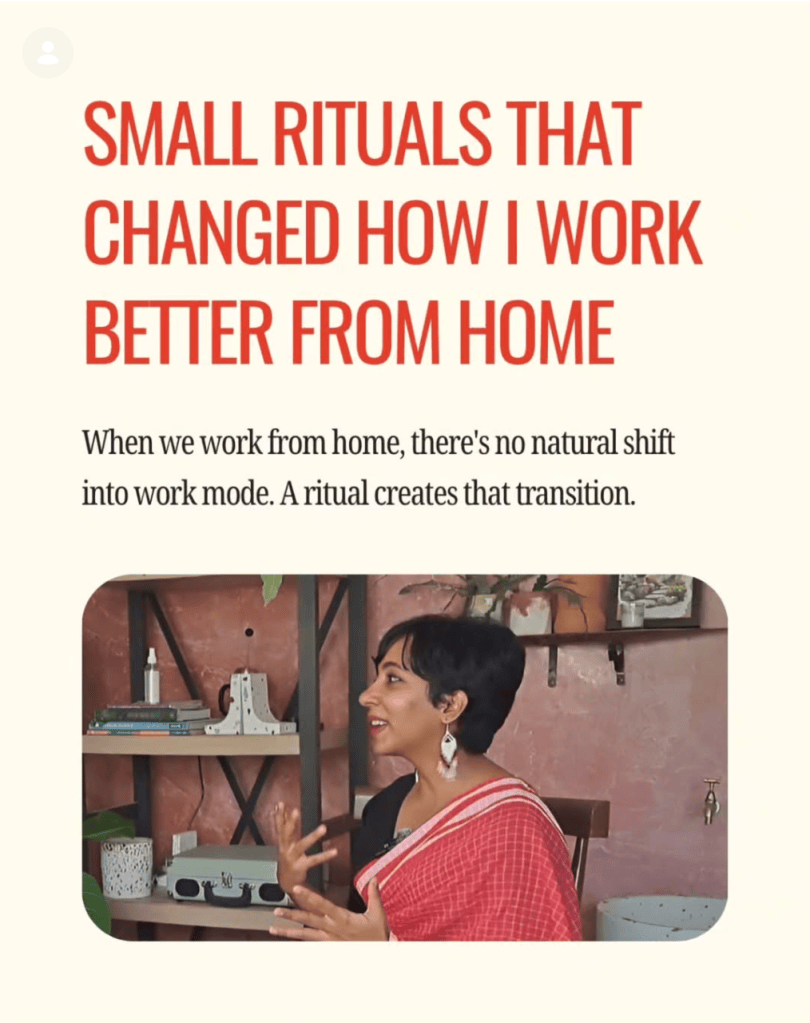
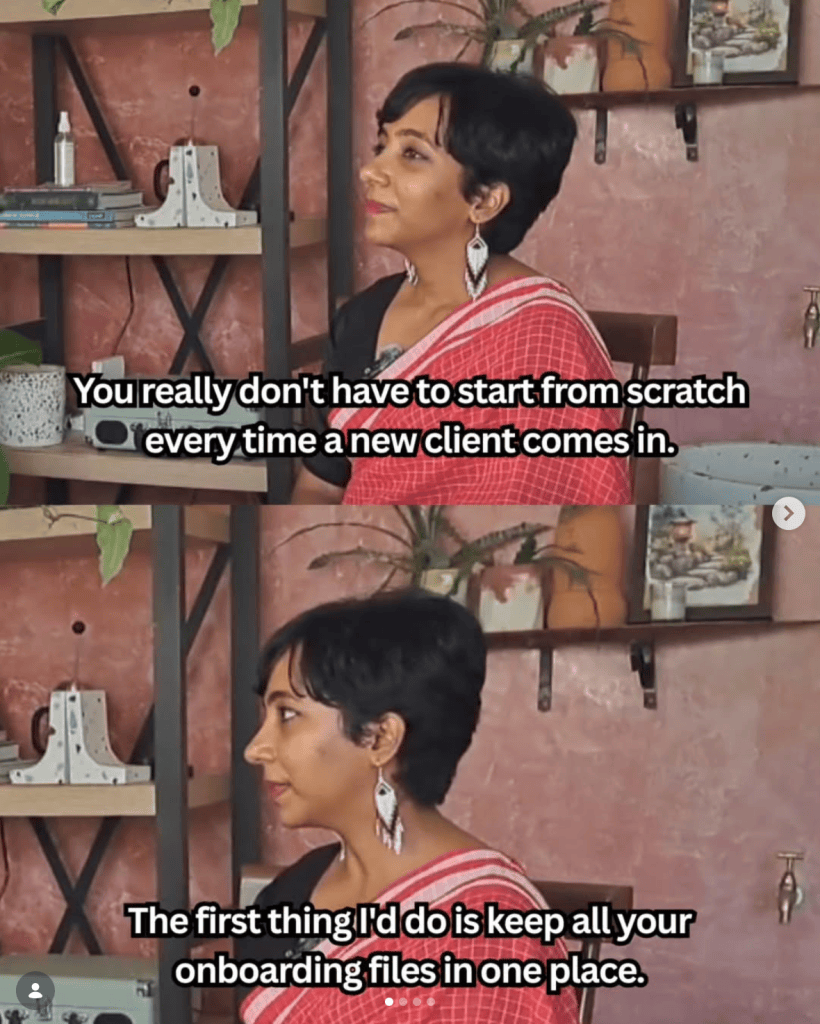
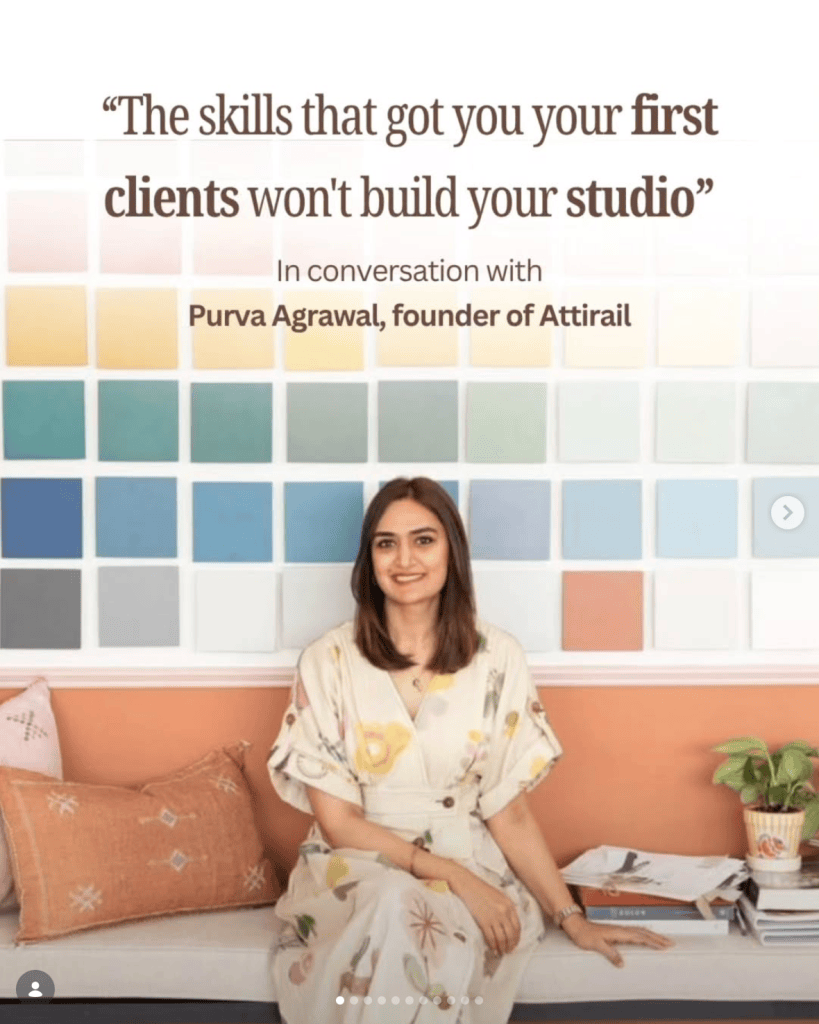
Podcast episodes, on YouTube
Lessons in Practice: Interviews


Behind the scenes
The philosophy behind ‘Designing the Studio’
“I believe that creative business is often heart-led: shaped by personal values, creative ambition, intuition, culture and relationships (not just financial optimisation). And so, creative studios need a different kind of structure: one that works with the way creative people think, create and build relationships.
This new way of building business systems starts with the founder, understanding what they want their studio to make possible for their life. The business and systems then grow around it. Because good systems aren’t about control or productivity for its own sake. They create clarity, protect creative energy and give founders something more valuable: the autonomy to choose what their time & energy is for.”
Nishita Mohta, founder of Designing the Studio
Toolkits to help design your studio
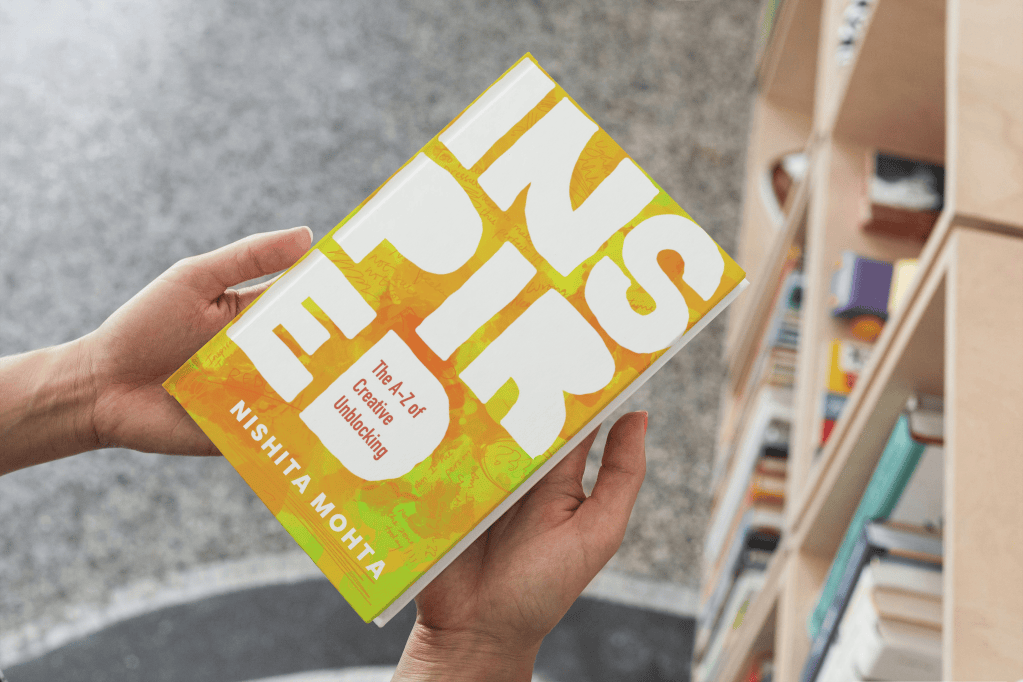
Inspired: The A-Z of Creative Unblocking
Inspired gives creative teams a shared language for talking about stuck-ness.
Its short, self-contained chapters mean it fits into a lunch-and-learn or a 15-minute team check-in without anyone needing to “finish the book” first.
For founders, it’s a low-cost tool for keeping a creative team resilient and talking openly about the parts of the job that rarely get discussed out loud.

The Monday Morning Planning Ritual, to save 6-7 hours of stress a week.
This recorded session starts by enabling you to look at a broken plan as data, not a failure. We then build a simple way to centralize your to-dos (so nothing lives in your head rent-free anymore), plan your week around your actual energy (not an idealized schedule) and establish practical rules for estimating time that protect your future self from your present self’s optimism.
COMING SOON: Toolkits on project management & business development. Send a message on Instagram or LinkedIn, to get notified when they’re released.
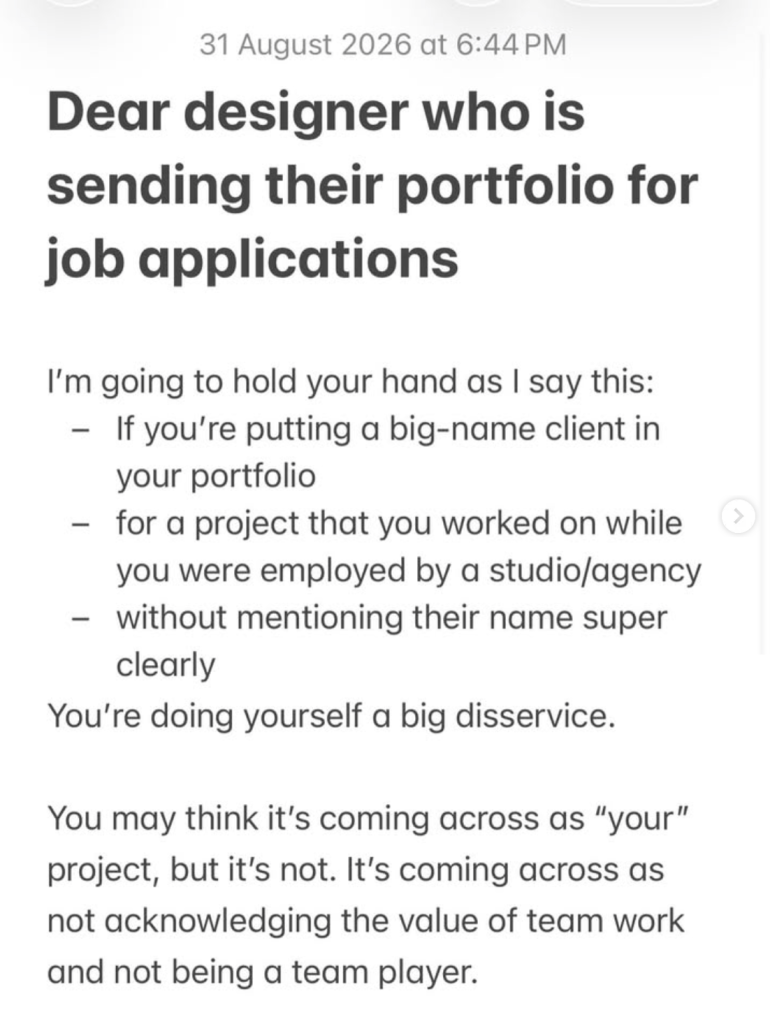
thinking out loud on Instagram